3D BIM Modeling and Animation Services (ArchViz) in Modern Construction and Architecture

Updated: Jun 30
The construction and architecture industries have transformed significantly with the rise of digital technologies. Among these, 3D Building Information Modeling (BIM) and animation stand out as powerful tools that improve project outcomes. BIM animation goes beyond static models by adding movement and interaction, helping teams visualize complex processes and detect issues early. This post explores the different types of BIM animation, why governments require its use, and key applications that benefit construction and architectural projects.
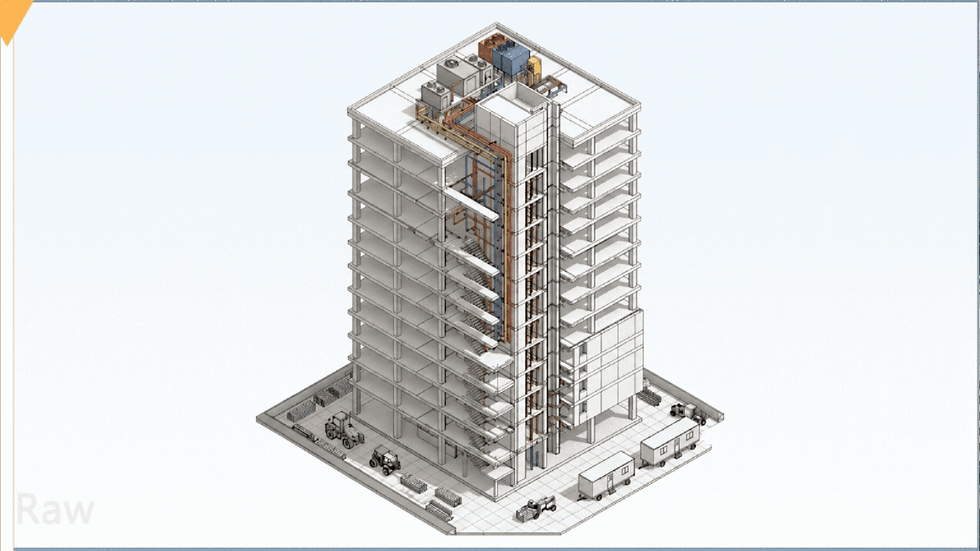
Types of BIM Animation in Architectural Visualization Services
BIM animation can take several forms, each serving a unique purpose in project planning and execution. Understanding these types helps teams select the right approach for their needs.
1. Construction Sequence Animation in Archviz Services
This type shows the step-by-step process of building a structure over time. It visually represents how different phases unfold, from foundation work to finishing touches. Construction sequence animations help stakeholders understand the timeline and logistics, improving coordination.
2. Clash Detection Animation in 3D Architectural Rendering
Clash detection animations highlight conflicts between building components, such as pipes intersecting with beams. By animating these clashes, teams can see exactly where and how conflicts occur, making it easier to resolve issues before construction begins.
3. Facility Management Animation in 3D Archviz Services
After construction, BIM animations assist in facility management by illustrating how systems operate within the building. Animations can show HVAC airflow, electrical circuits, or plumbing operations, supporting maintenance and troubleshooting.
4. Design Visualization Animation in 3D Architectural Rendering
These animations bring architectural designs to life, showing how spaces will look and feel. They often include realistic lighting, materials, and human movement to help clients and stakeholders visualize the final product.
Why BIM Animation Is Important and Government Mandates ?
Governments in many countries now require BIM use, including animation, for public infrastructure projects. This mandate reflects BIM’s proven benefits in improving project quality, reducing costs, and enhancing transparency.
Improved Collaboration and Communication
BIM animation creates a shared visual language for architects, engineers, contractors, and clients. It reduces misunderstandings by clearly showing design intent and construction processes.
Risk Reduction and Cost Savings
Animating potential clashes and construction sequences helps identify problems early. This reduces costly rework, delays, and safety risks on site.
Regulatory Compliance and Quality Control
Governments mandate BIM to ensure projects meet safety, environmental, and quality standards. Animated models provide detailed documentation that supports inspections and approvals.
Enhanced Project Transparency
Animated BIM models allow stakeholders, including the public, to see project progress and impact. This transparency builds trust and supports better decision-making.

Key Use Cases of BIM Animation in Architectural Visualization
BIM animation supports many critical functions in construction and architecture. Here are some of the most impactful use cases.
Clash Detection and Resolution
Detecting clashes between structural, mechanical, electrical, and plumbing systems is a major challenge. BIM animation makes these clashes visible in 3D space and over time, enabling teams to resolve conflicts before they cause delays or extra costs.
Project Visualization and Client Engagement
Clients often struggle to understand 2D drawings or static 3D models. Animated walkthroughs and flyovers provide immersive experiences that clarify design choices and allow clients to provide informed feedback.
Construction Planning and Scheduling
Animating construction sequences helps planners visualize the order of operations and resource allocation. This improves scheduling accuracy and coordination among subcontractors.
Safety Training and Site Simulation
Animations can simulate construction site conditions and hazards. Workers and managers use these simulations for safety training, reducing accidents and improving compliance with safety protocols.
Facility Operation and Maintenance
Post-construction, animated BIM models assist facility managers in understanding building systems. This supports efficient maintenance, troubleshooting, and future renovations.
Examples and Case Studies
Case Study 1: Clash Detection in a Hospital Project
A large hospital project in Europe used BIM animation to detect clashes between HVAC ducts and electrical conduits. The animated model revealed over 200 conflicts that were not visible in 2D plans. Resolving these clashes before construction saved the project an estimated $1.5 million in rework costs and avoided a three-month delay.
Case Study 2: Construction Sequencing for a High-Rise Tower
A high-rise office tower in Asia employed construction sequence animation to plan crane operations and material deliveries. The animation helped identify bottlenecks in the schedule and improved coordination between trades. As a result, the project finished two months ahead of schedule and under budget.
Example: Design Visualization for a Cultural Center
An architectural firm created a detailed animated walkthrough of a cultural center for a city council. The animation included realistic lighting and crowd movement to show how the space would function during events. This helped secure public approval and funding by clearly communicating the design’s benefits.


👍👏